Seed or young plant: which should you buy?
Tomatoes, peppers and eggplant are usually bought or started as young plants. Beans, peas, root crops, lettuce, radish and spinach do best from seed (Cornell, Purdue). Seed costs least but needs trays and strong light.
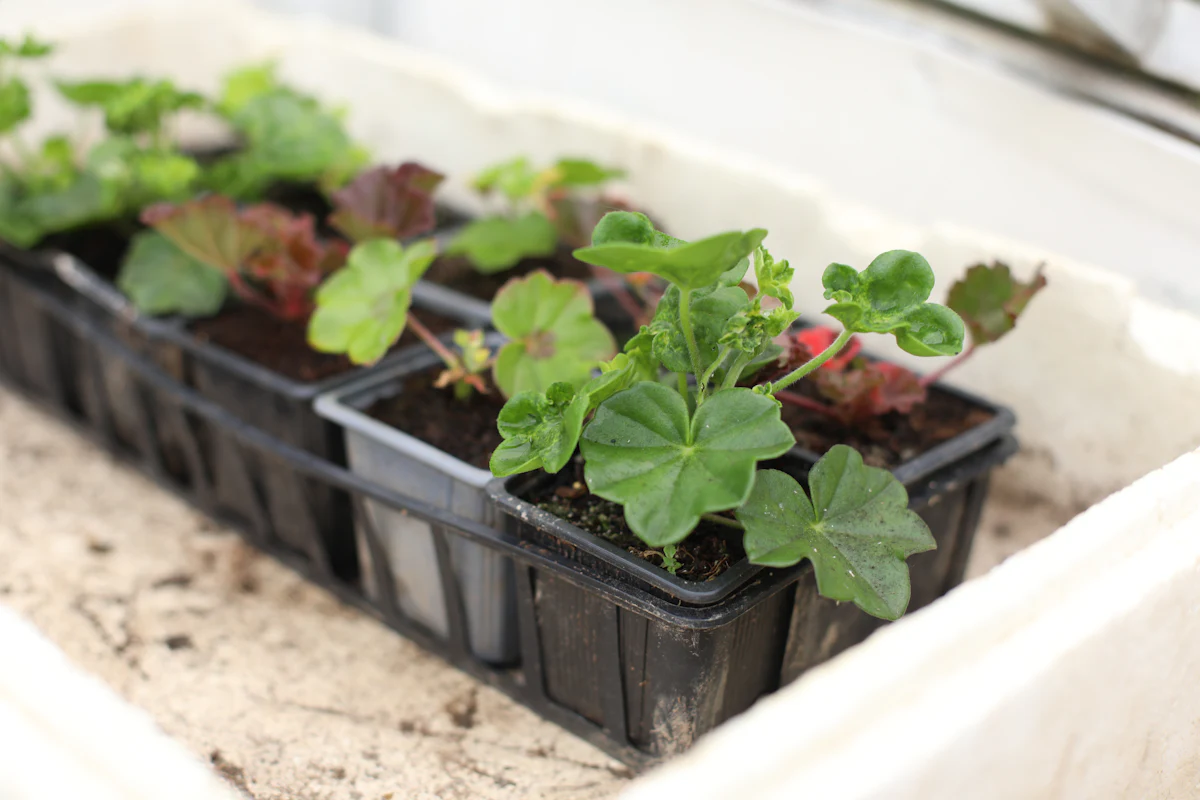
You can start from a seed packet, buy a young plant a few weeks old, or buy a bigger plant that's closer to harvest. Each one costs a different amount and needs different gear.
What extension services say
- Tomatoes, peppers and eggplant: Purdue Extension says gardeners can harvest much earlier by starting with transplants (young plants). Cornell says heat-loving crops like tomatoes and peppers are started indoors and moved out once the soil warms (Purdue, Cornell).
- Beans, peas and root crops: Cornell says beans and peas often suffer transplant shock, and root crops like carrots, beets and turnips don't transplant well. Sow them from seed.
- Lettuce, radish and spinach: Purdue says these fast, cool-season crops are best sown from seed.
Starting from seed
It's the cheapest way per plant, and you get the most choice. You'll need trays, a fine seed-starting mix and strong light. Purdue notes that good transplants need high light, the right temperature and room to grow. See seed starting.
Buying a young plant
This skips the seedling stage. Some growers ship plants at planting time. Garden centers sell them in spring too, with no shipping. You still need the right pot and light. See seeds, plants and grow kits and pots and planters.
Buying a bigger plant
It costs more but gets you closer to a harvest. Dwarf citrus is usually bought this way. University of Minnesota Extension says citrus needs bright light to bloom and set fruit, so plan on your brightest window (UMN Extension).
When to plant outside
For a balcony or patio, planting dates depend on your last frost. Check your area: your state's extension service lists local frost dates. USDA keeps a directory of state extension services.